Free City of London Self-Guided Walking Tour – 19 Things to See in Under 3 Hours
Text & photography by Anna Kmiecik, private tour guide in London. Polish version of this guide is also available.
Here’s a walking tour through London’s oldest and most fascinating historic area – the City of London.
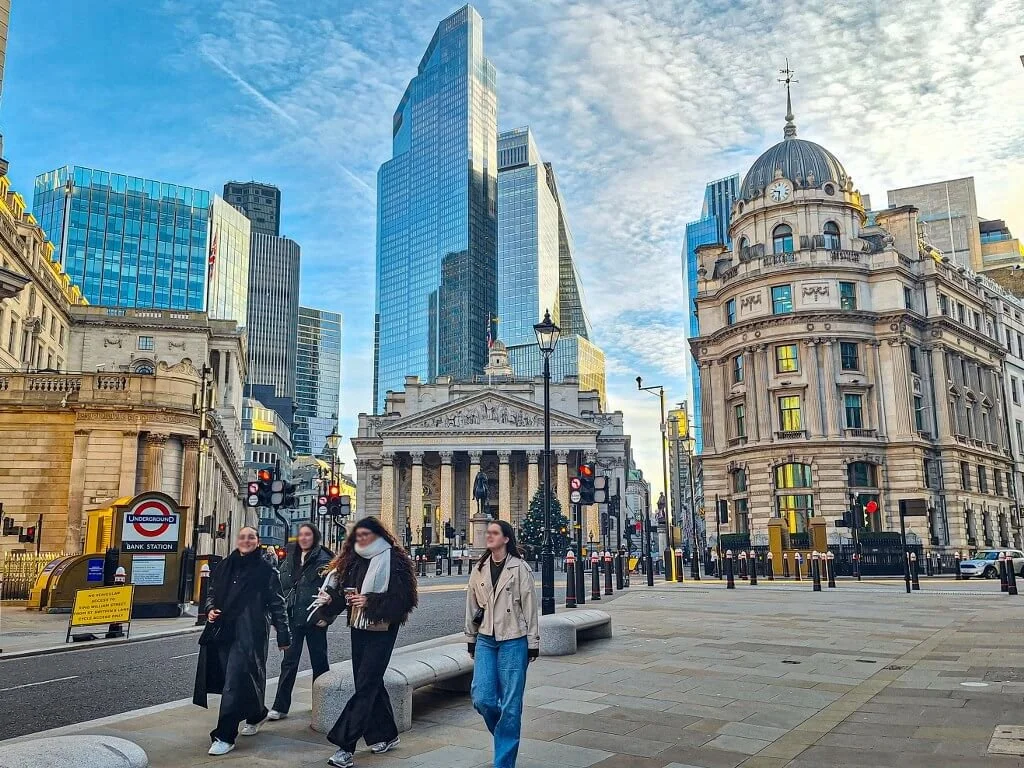
This is where London began 2000 years ago.
Few places in London offer such a dense mix of sights as the City of London. From ancient Roman walls and 1,000-year-old fortress to modern architecture and hidden courtyards, every turn reveals a different layer of the city’s past.
This walk will take you to 19 spots in (and near) the Square Mile that, in my view, effectively define this part of London.
All the locations described below you can see for free.
Enjoy the read and the walk!
19 Things to See in the City of London
1. London Bridge
London Bridge may not be the most attractive among all the bridges in London, but it is undoubtedly the most historically significant.
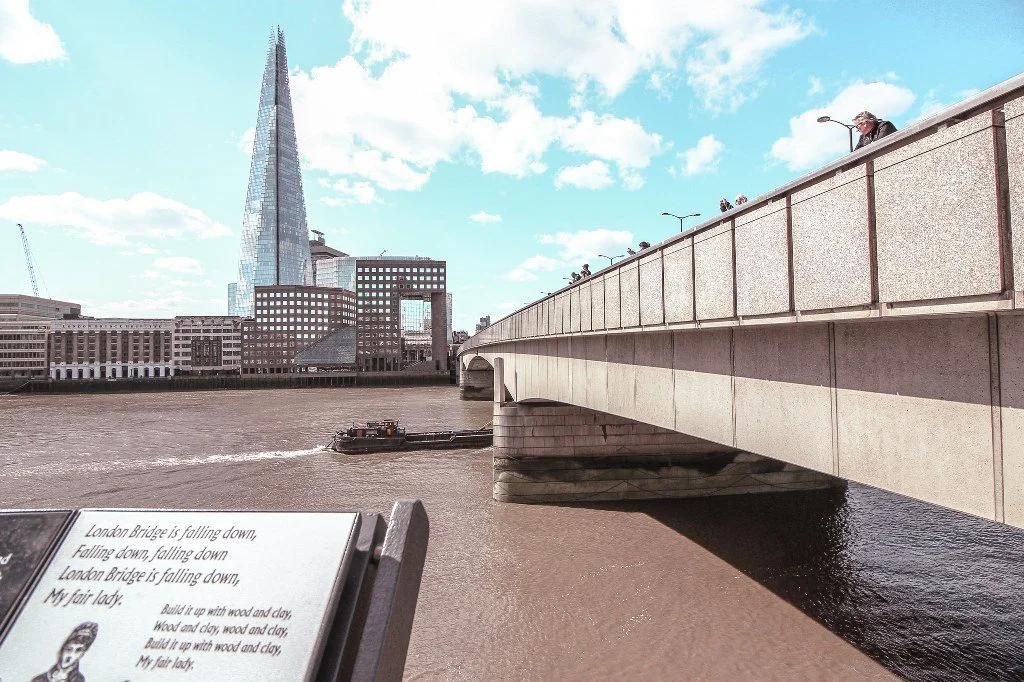
Here, on the north shore, in the first half of the 1st century, powerful Romans established a settlement during their conquest, naming it Londinium.
Why?
No one knows for sure, but one possibility is that the name originated from the Proto-Celtic word Londinyom (place that floods).
The narrowness of the river allowed the Romans to build the very first wooden bridge in this spot.
For the next 17 centuries, this was the only place in central London where people could cross the river on foot.
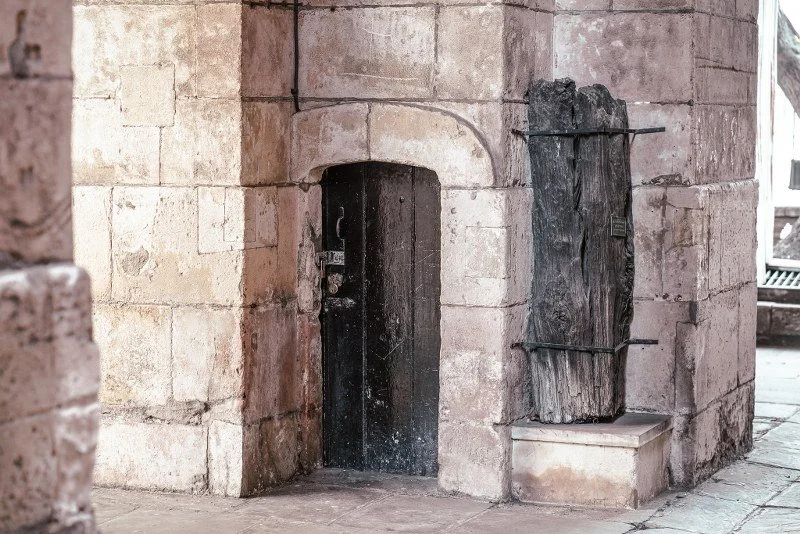
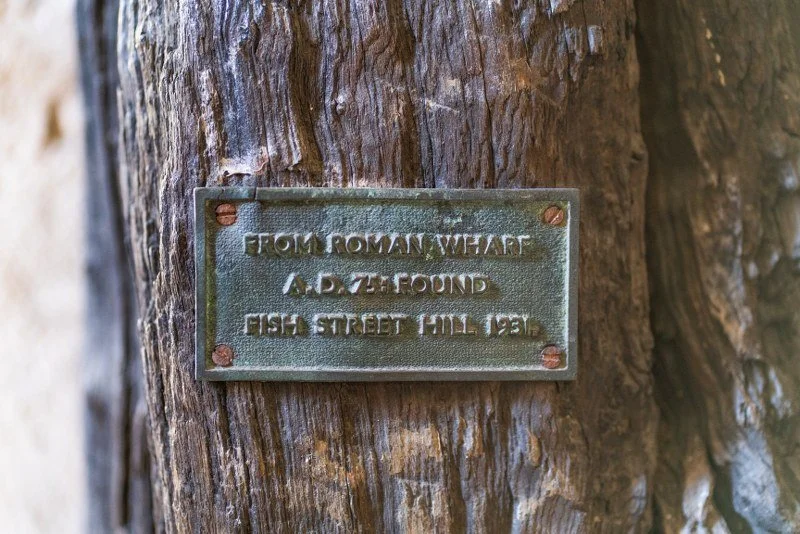
The wooden remains of the bridge believed to be from Roman times are on display in the nearby Church of Saint Magnus-the-Martyr.
2. Monument to the Great Fire of London
The City of London is the oldest part of London, but at first glance, it looks like the youngest.
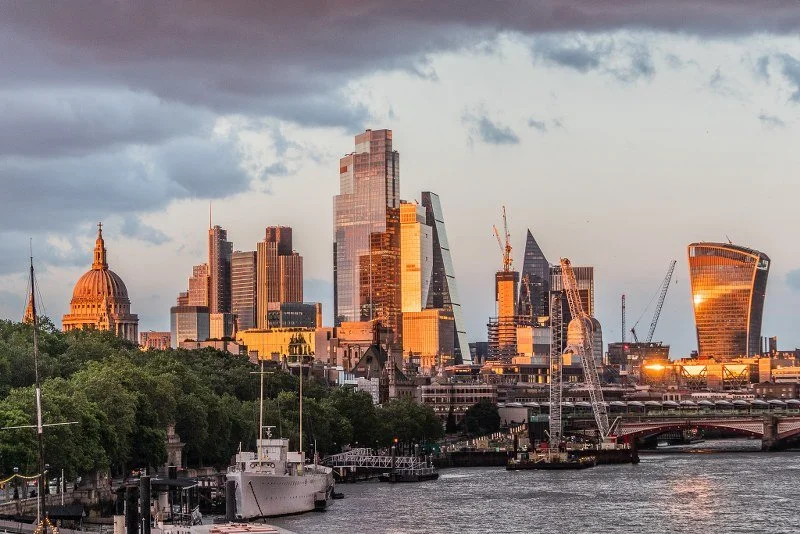
One of the reasons for this is the Great Fire of London, which devastated the city in 1666 and destroyed most of the wooden buildings within the city walls.
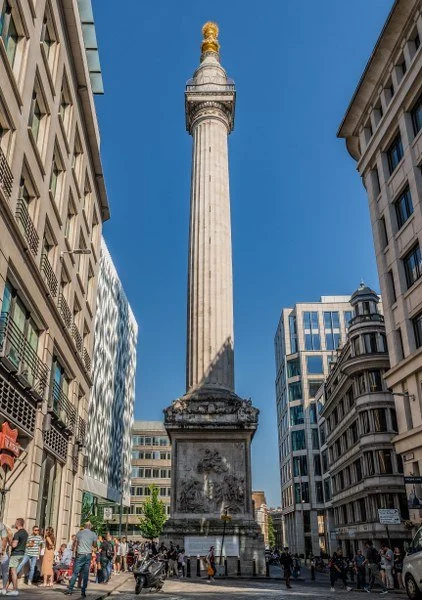
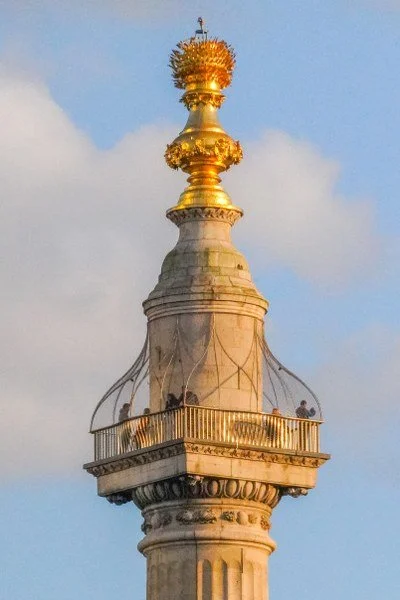
Just a 2-minute walk from London Bridge stands a 202-foot-tall (61-metre) column topped with a flame-shaped urn, commemorating this defining moment in London’s history.
3. Garden inside the 17th century church
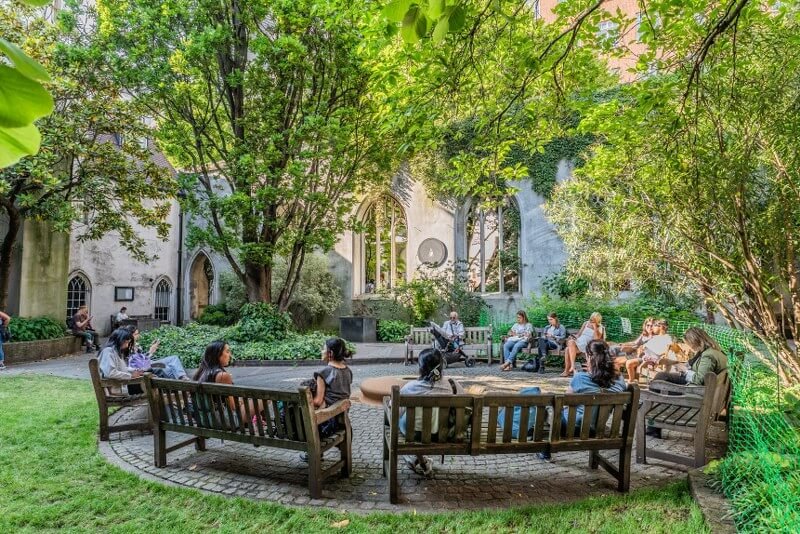
St. Dunstan in the East church was one of over 50 churches in London designed by Christopher Wren in the aftermath of the Great Fire of London in 1666.
However, it was destined to endure a significant blow during World War II.
Severely damaged, much like most of the City, it was never rebuilt.
Instead, it was transformed into a beautiful garden.
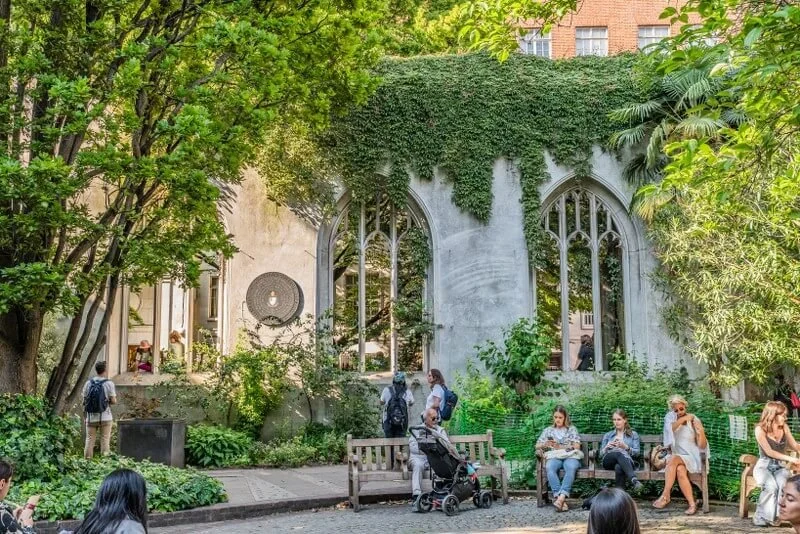
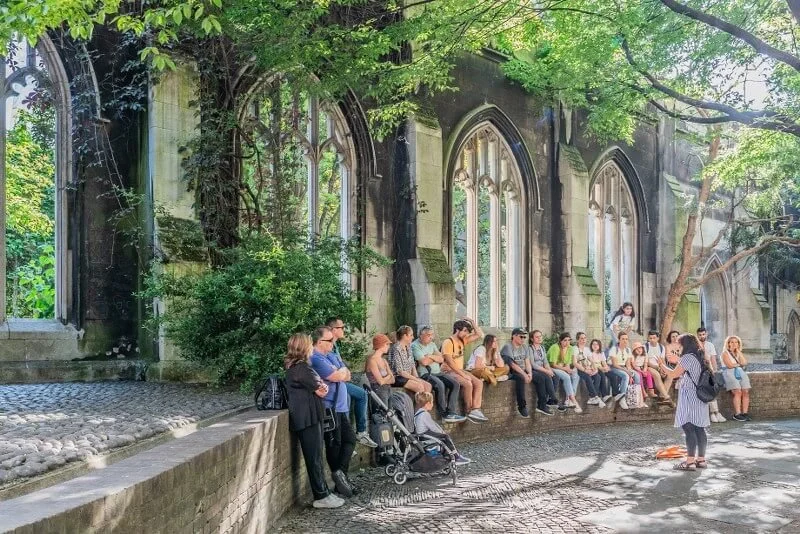
Today, it is favorite spot for photographers.
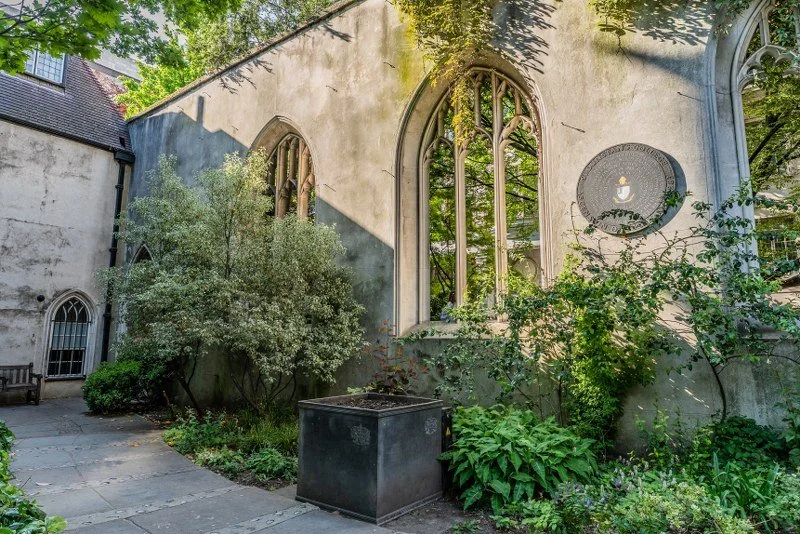
It’s undeniably a location with character, serving as a constant reminder of the dramatic past of the City, and a perfect spot for a break, if you need one.
What & where to eat in London?
Discover 6 must-try British food experiences — from hidden gems to spots I personally take my tour guests to. Created by a London guide whose self-guided walks have been used over 1 million times worldwide. 👉 Get the insider guide here.
4. Tower of London
The Tower of London, situated on the eastern edge of the Roman city, has served various purposes throughout its 1000 years of existence—a palace, a prison, a safe place for Crown Jewels, and a famous execution site.
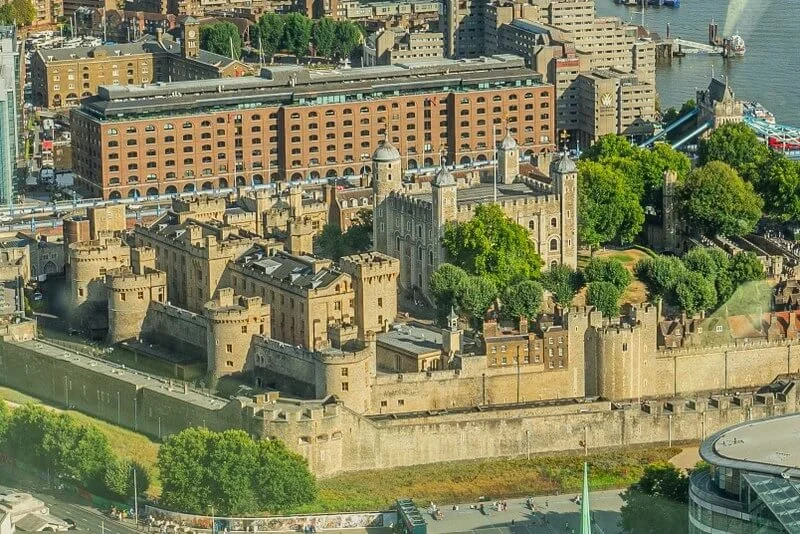
Today, it stands as one of many UNESCO heritage sites in London, attracting over 3 million visitors annually.
5. Lloyd’s Building
The eventful past of the City of London is reflected today in its unique architecture—a fascinating blend of old buildings and modern skyscrapers.
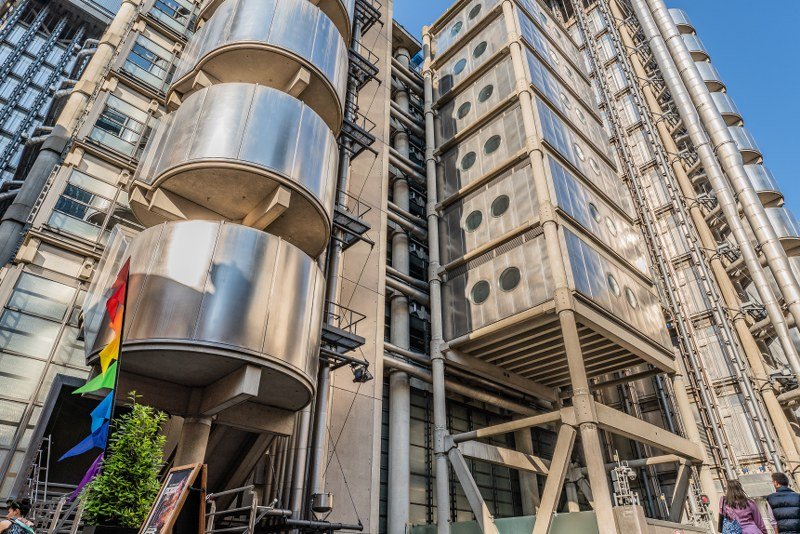
One of the most unconventional modern sites in the City is the Lloyd’s Building, a famous structure hosting the offices of the insurance company.
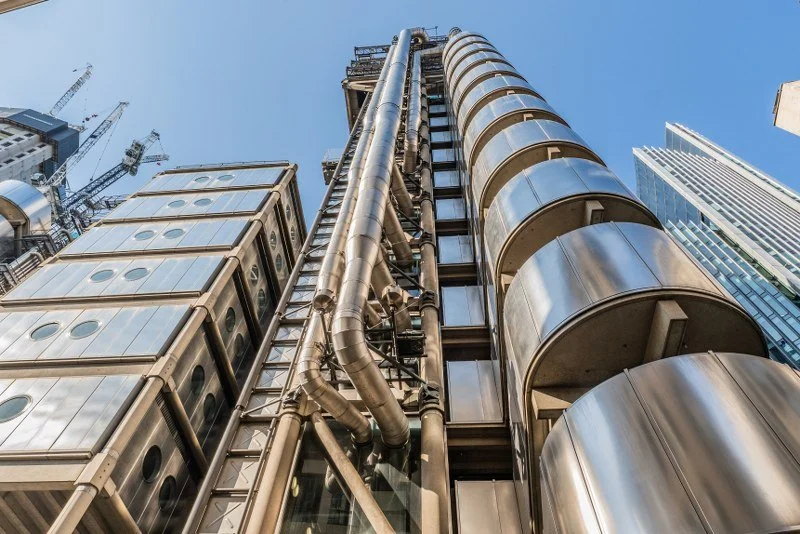
It was designed by the knighted architect Richard Rogers, who is also responsible for the look of the Millennium Dome in Greenwich and the Pompidou Centre in Paris.
6. Leadenhall Market
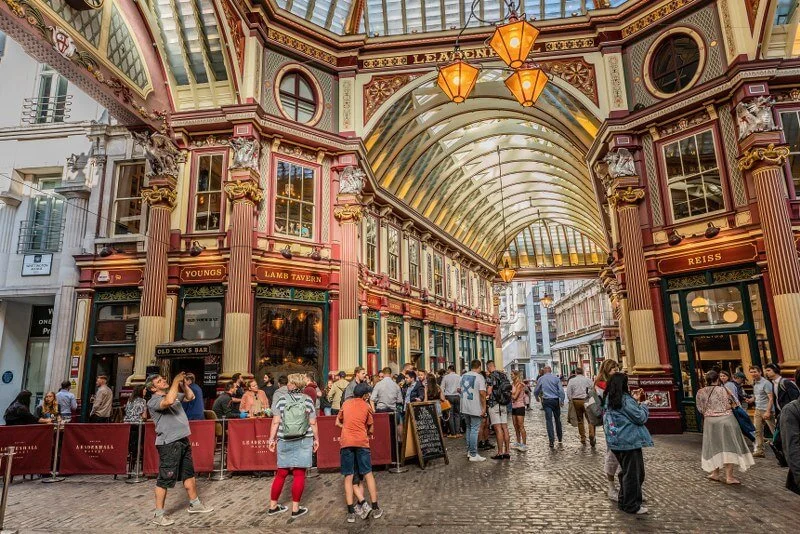
Next to the Lloyd’s Building, you’ll find the beautiful Leadenhall Market, one of the finest examples of Victorian architecture in London.
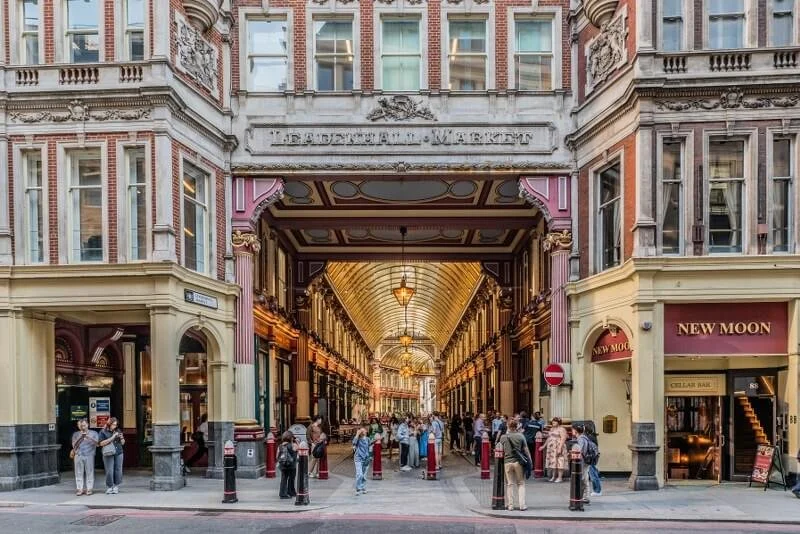
As you walk under its beautiful arches (designed by Sir Horace Jones, the same man who designed the iconic Tower Bridge!), remember that you are also walking above the ruins of the ancient Roman Forum, hidden underneath the surface.
7. Bank of England
When talking about the City of London, one must mention money!
City of London is otherwise known as London financial district.
Many grand buildings you will be passing on this walking tour are connected to finances.
The most significant of them, The Bank of England building, is located near Bank Station and is home to a significant portion of the United Kingdom’s gold reserves!
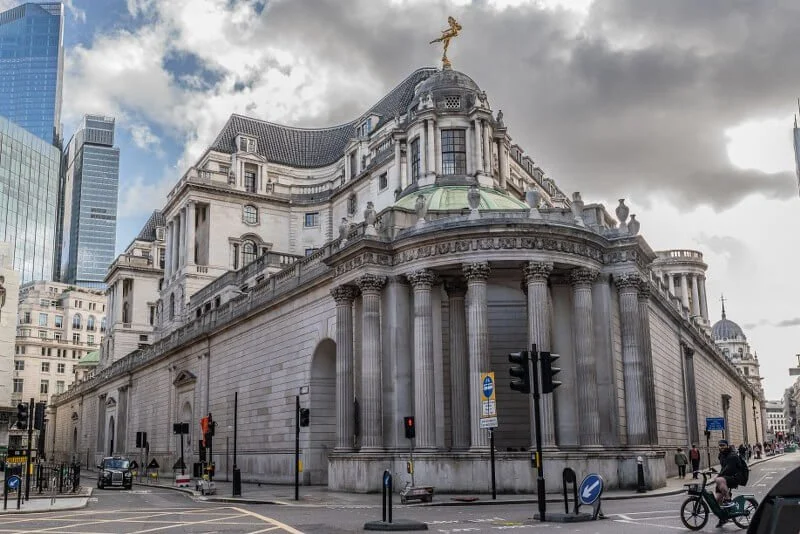
Since this is one of the most well-protected structures in London, getting to its vaults might be tricky.
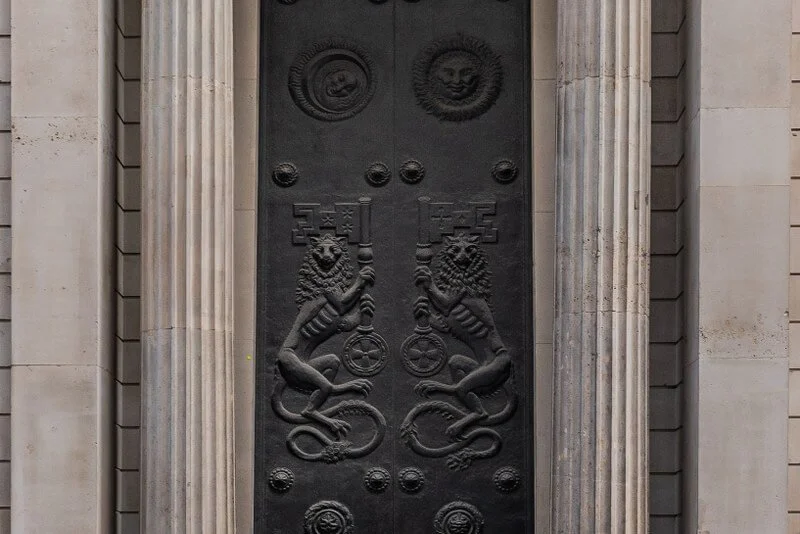
But you can always marvel at the size of this iconic site and its beautiful facades!
8. The Guildhall
The next point in this walking tour is Guildhall – an administrative and ceremonial center of the City of London.
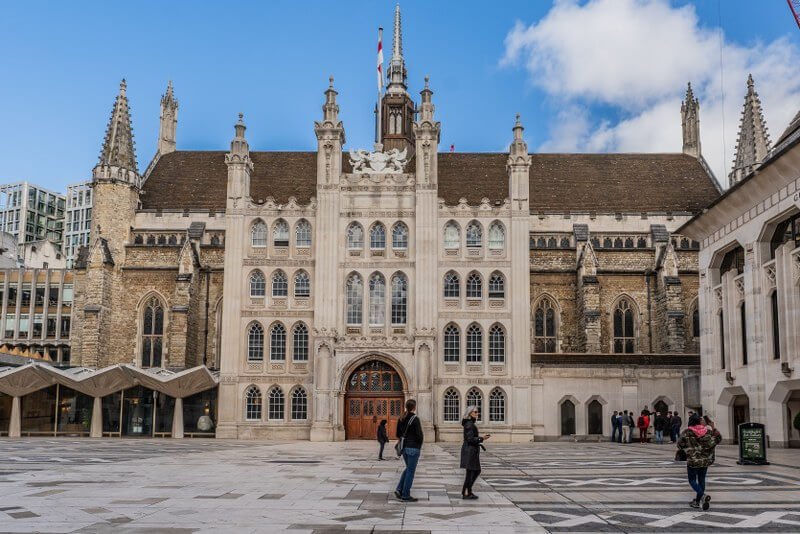
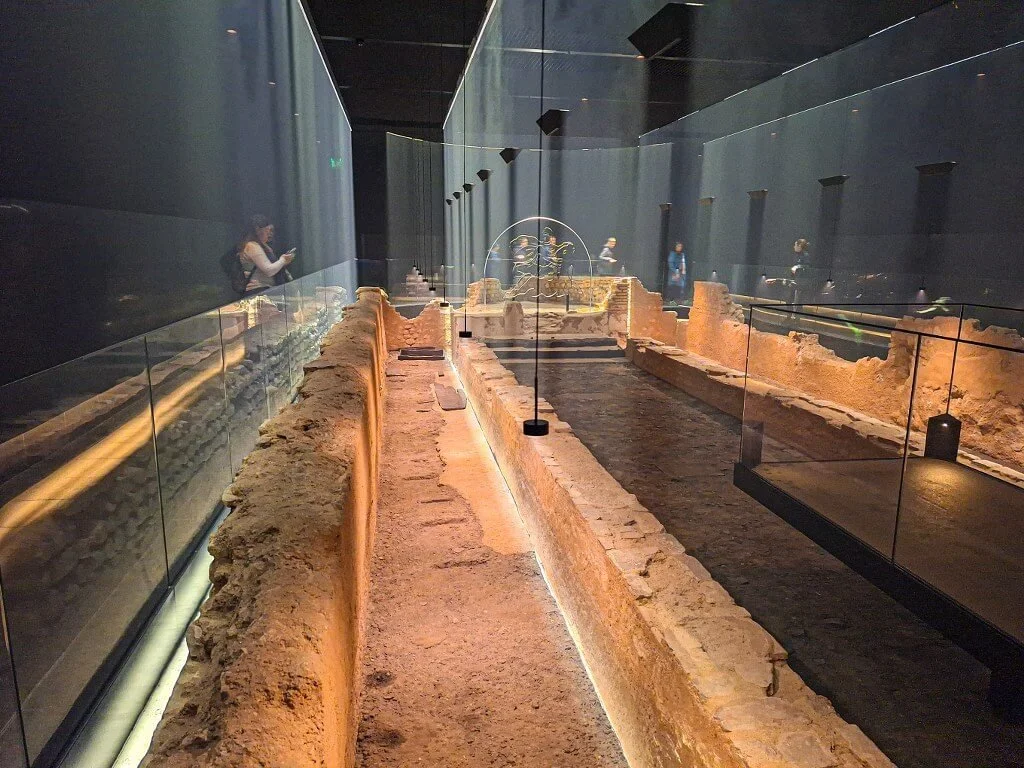
During Roman times, the site was occupied by a Roman Amphitheatre, the ruins of which are still visible in the basement of the Guildhall Art Gallery.
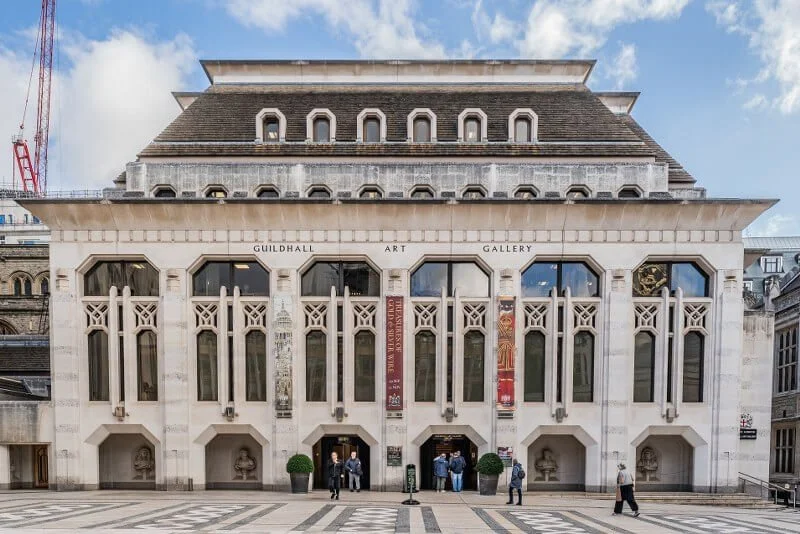
You can see them for free; check this link for more details.
Outside the Guildhall Art Gallery you can also find 4 monumental busts of 4 arguable the most notable figures in the history of the City:
Oliver Cromwell
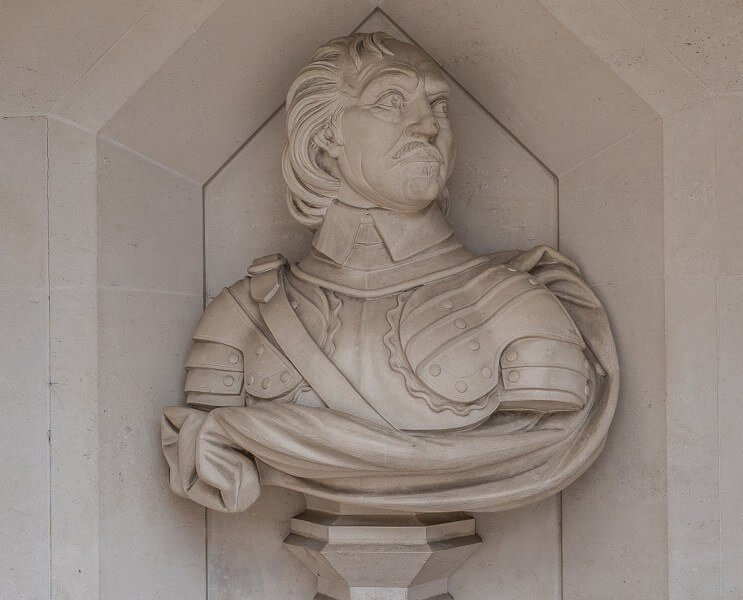
A key political and military figure during the English Civil War, who played a crucial role in the execution of King Charles I in 1649. His actions had a profound impact on the political landscape of the time, including in the City of London.
Christopher Wren
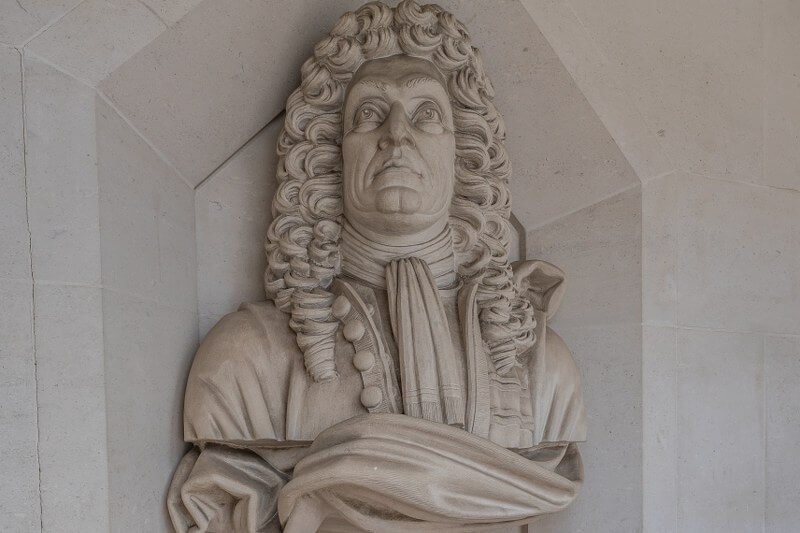
Mentioned before, renowned architect who played a pivotal role in shaping the look of the City of London after the Great Fire of 1666. He was responsible for the design of St. Paul’s Cathedral and numerous (over 50!) other churches within the Square Mile, leaving a lasting impact on the architectural landscape of the city.
Samuel Pepys
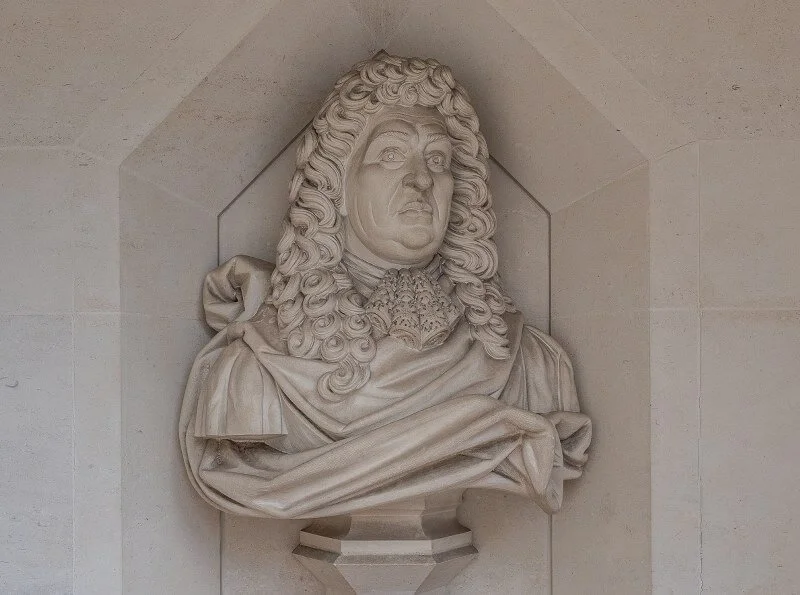
A prominent 17th-century diarist who provided invaluable insights into the history of the City of London, particularly during significant events such as the The Great Plague of 1665 or The Great Fire of 1666.
And last but not least, William Shakespeare!
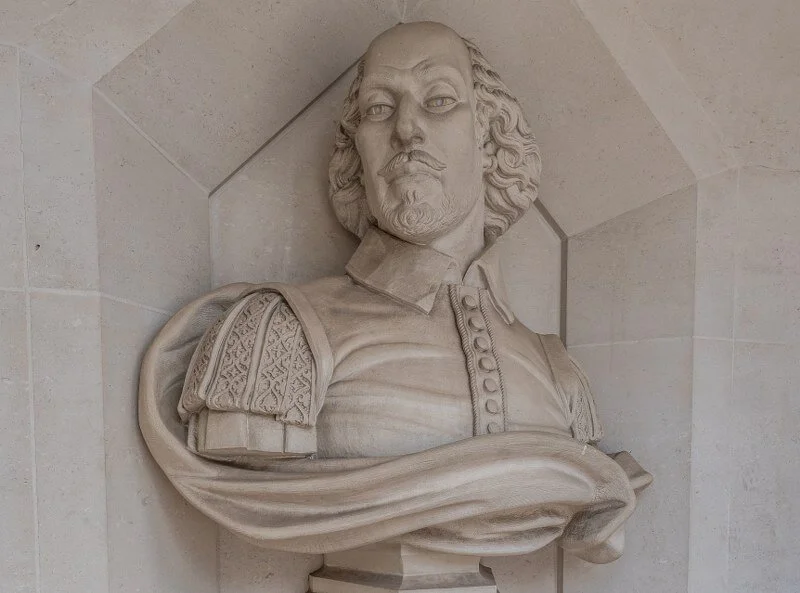
Widely regarded as one of the greatest playwrights in history, who made profound contributions to literature and made the world wonder forever ‘To be or not to be?’
9. Roman city wall
In the 2nd century, the Romans fortified their settlement along the River Thames with a wall over 2 meters thick at its base and standing 6 meters high.
The location of this wall defined the boundaries of the area for centuries to come.
Remnants of this structure are still visible today in various spots throughout the City.
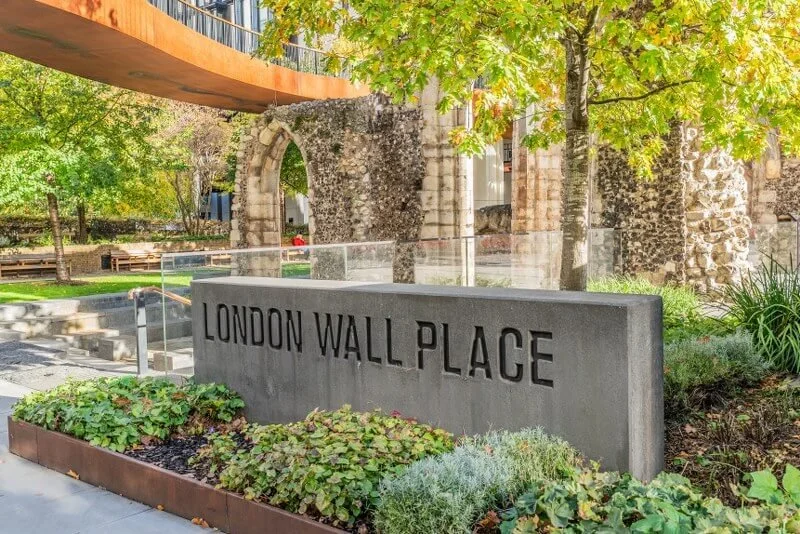
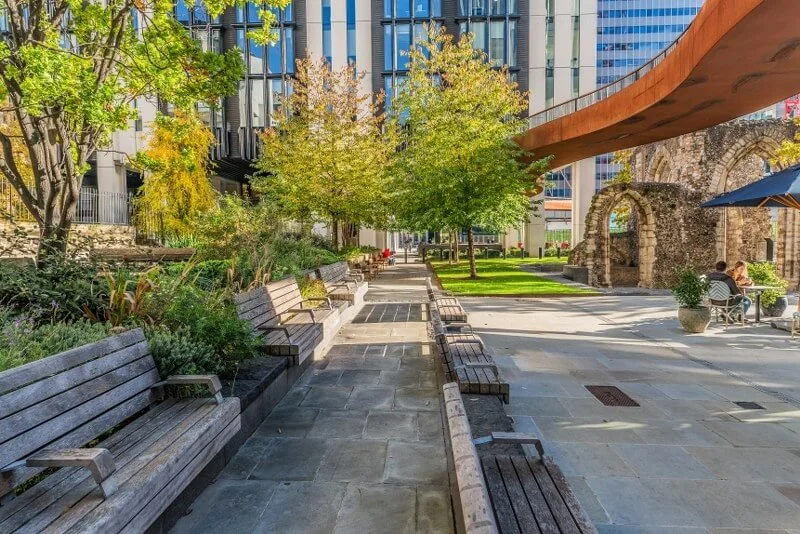
Now, I invite you to visit my favorite section of the remaining Roman wall, which is within walking distance from Moorgate Station.
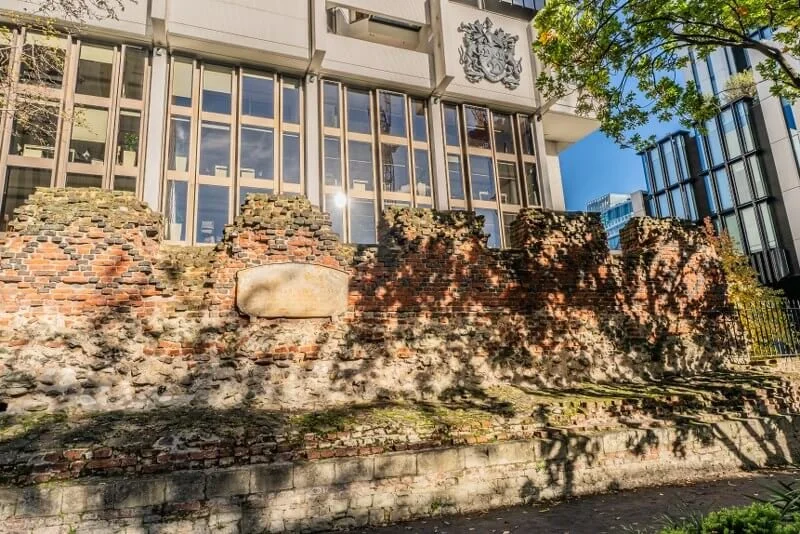
It’s a charming spot to explore, offering the opportunity to take a break on one of the many benches located there.
10. St Paul’s Cathedral
St. Paul’s Cathedral is one of the most recognizable landmarks in the city.
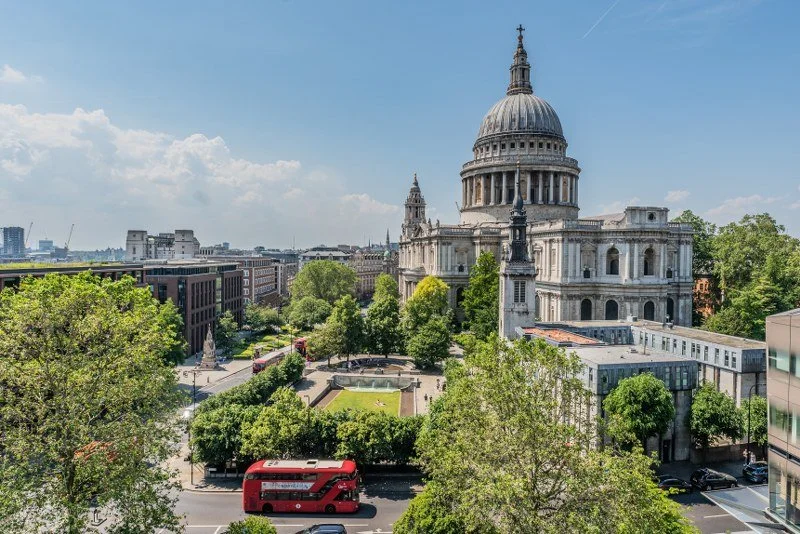
The cathedral sits atop Ludgate Hill, the highest point in the City of London.
Its height of 111 meters, or more interestingly, 365 feet, matching the number of days in a year.
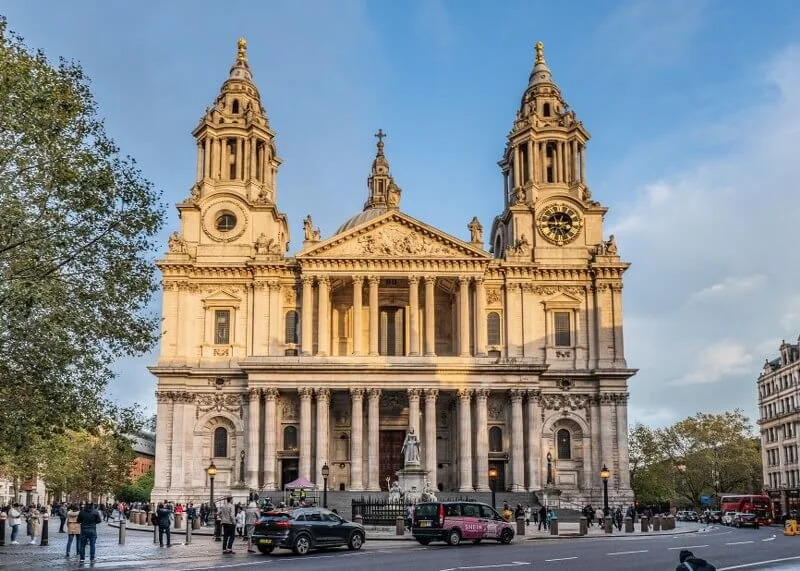
The current cathedral was designed by Sir Christopher Wren after the Great Fire of London in 1666.
It took 35 years to complete this masterpiece!
If you visit St. Paul’s Cathedral on a Sunday, before the planned masses (you can check the timings here), its loud bells calling Londoners to come for a mass will provide you with an unforgettable soundtrack to this City of London walk.
11. Carter Lane
Next, I recommend you to dive into Carter Lane – the narrow and beautiful street to the south of St. Paul’s Cathedral.
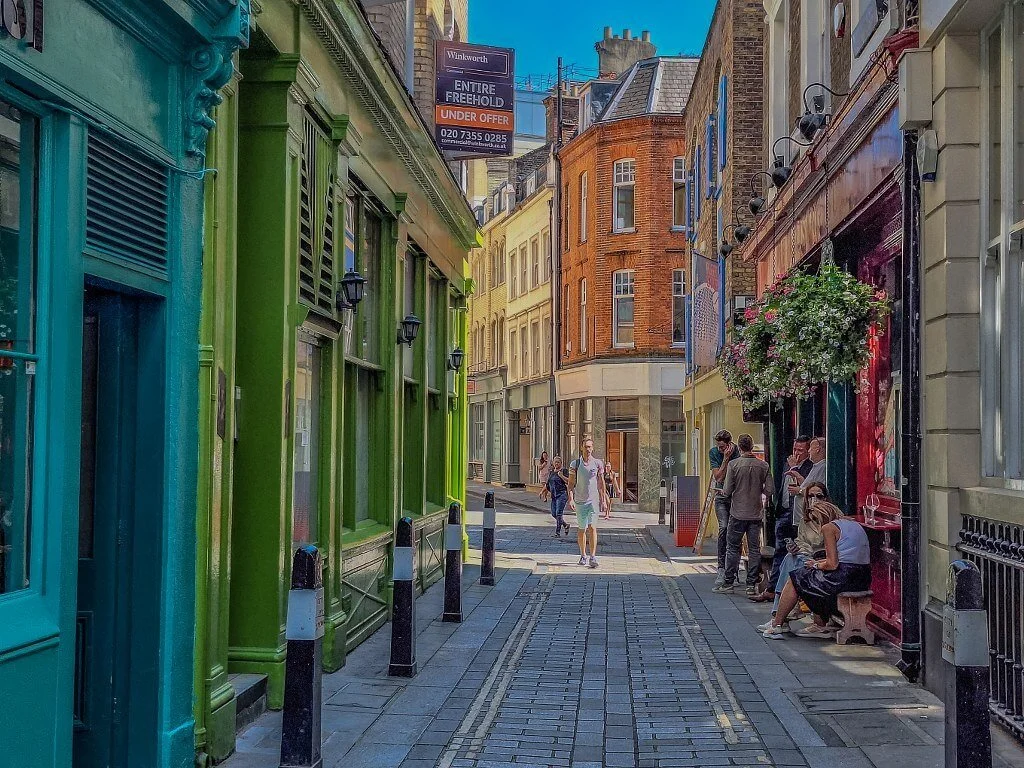
This street will lead you to Black Friar Lane where you can find…
12. … Apothecaries Hall
In London, there are 111 Livery Companies (also called guilds) – medieval trade associations of tradesmen or merchants who shared common interests.
Many of them have their own halls, historic buildings used for events and ceremonies. These halls can be found throughout the City of London.
On this walk, you have a chance to see the hall of The Worshipful Society of Apothecaries, established in the 17th century and miraculously surviving WWII.
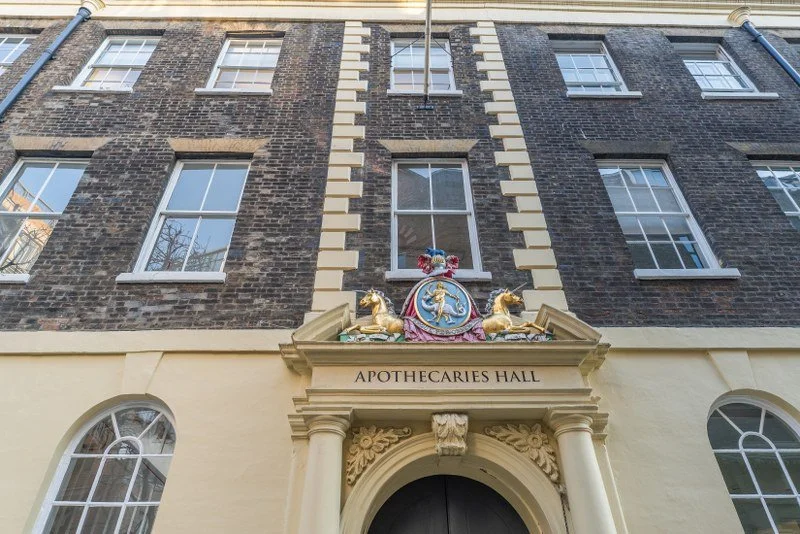
Here, the famous author Agatha Christie passed her exam in 1917 to become a pharmacy technician and learned the ropes of skilfully poisoning characters in her many future books!
13. The Blackfriar Pub
The Blackfriar Pub is an absolute gem of the City of London and one of two great old pubs you can experience during this walking tour.
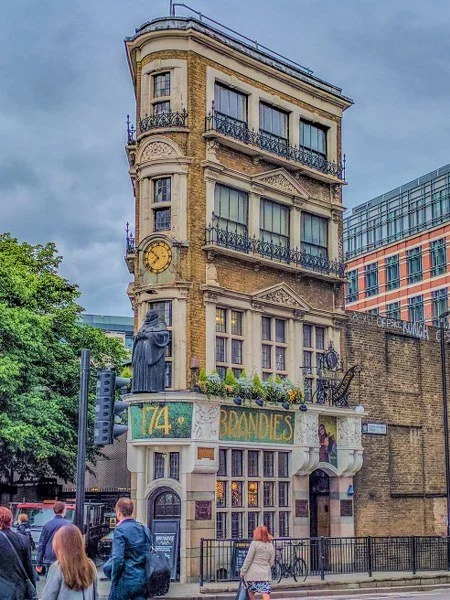
The pub’s name reflects the monastery past from the times of Henry VIII and earlier.
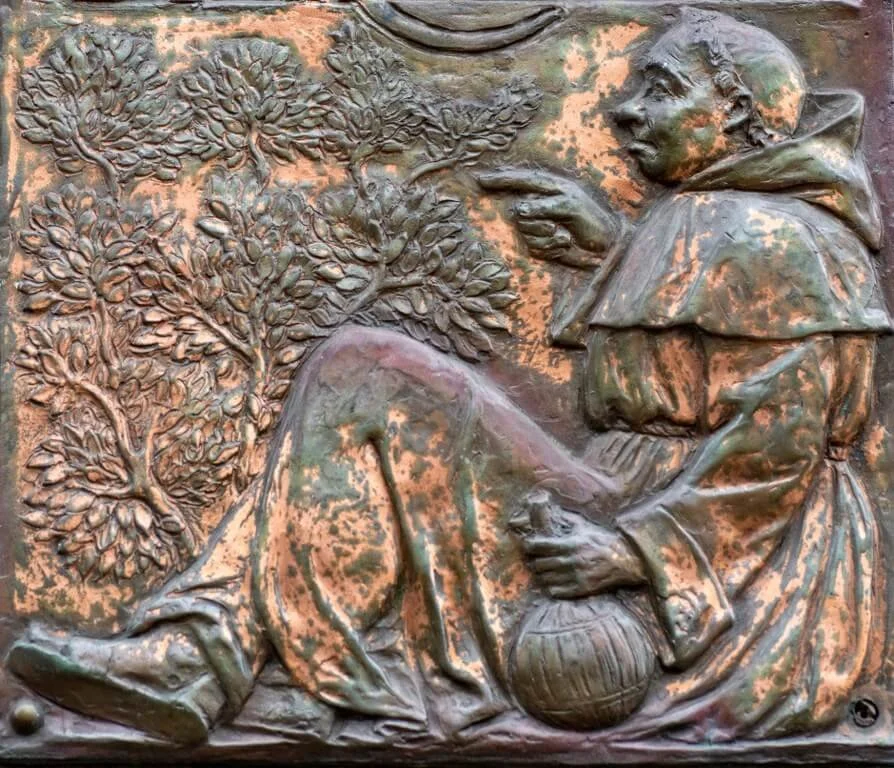
You can find the theme of (often drunk!) monks all over the place, both on the main elevations of the building and inside, creating a tiny but wonderfully charming spot.
See also: 8 best historic pubs in London
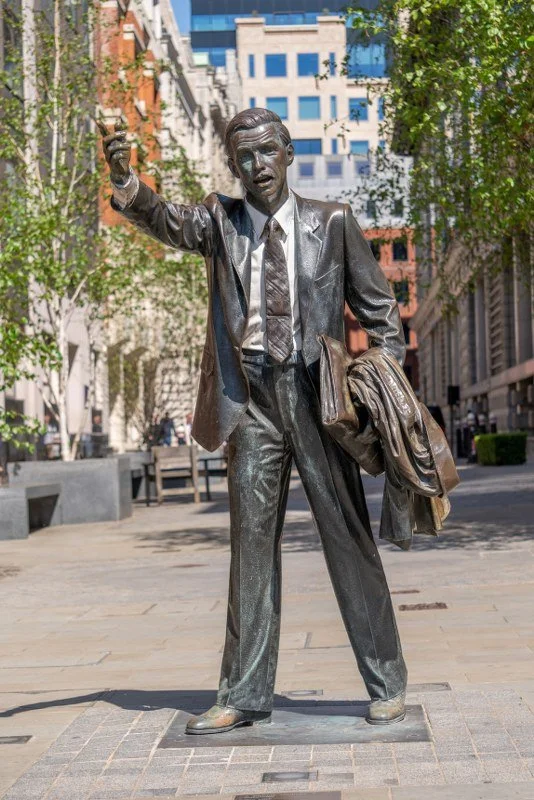
14. Taxi! sculpture
After leaving the Blackfriar Pub, head towards Victoria Embankment.
When you reach John Carpenter Street, you’ll see a statue of a man in a suit, frozen in time as he attempts to hail a taxi — a familiar sight on the streets of the City.
15. City of London legal district
Now, I would like to invite you to explore the City of London legal district.
You can start by wandering around a labyrinth of small and charming streets located to the south of Strand/Fleet Street.
Why? The beautiful architecture, charming gardens, and, in particular, Temple Church (built in the 12th century by the Knight Templars!) make it worth visiting.
Please note that the area has some access restrictions, and the gates leading to the area are sometimes shut. The best option is to visit this place during the opening hours of Temple Church (you can find more details here). I usually use the gate at the junction of Tudor Street & Temple Lane or the access point located near the place where Strand meets Fleet Street.
16. Royal Court of Justice
Just outside the City of London boundary, at the Strand, you can see the grand building of the Royal Court of Justice.
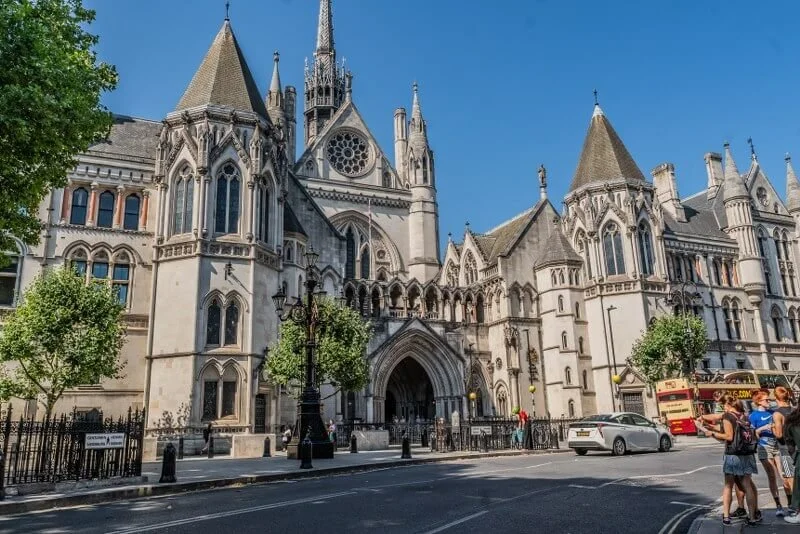
Officially opened by Queen Victoria in 1882, it gained worldwide attention during the libel case between Johnny Depp and The Sun newspaper in 2020.
Both Johnny Depp and his ex-wife, Amber Heard, attended the 16-day trial, attracting a lot of public interest around the world.
17. Twinings – 300-year-old tea shop
It is time to visit one of Britain’s oldest tea rooms, now serving as a tea and coffee shop – Twinings, located at 216 Strand.
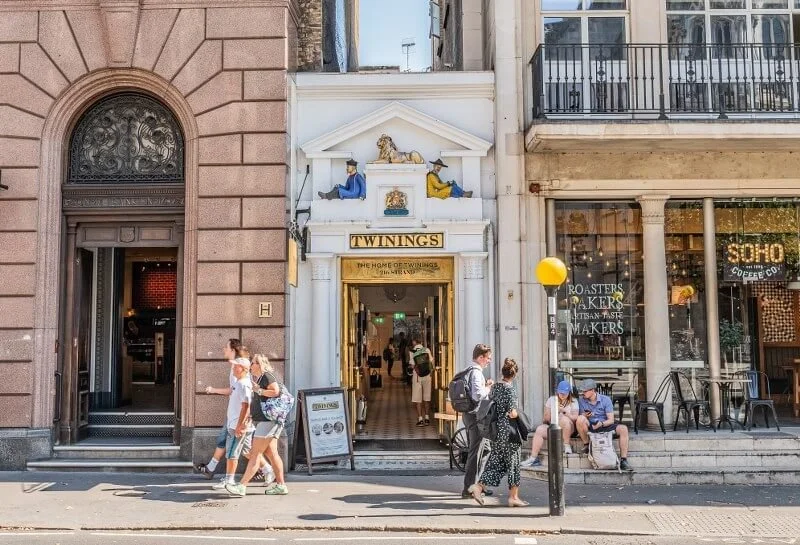
Above the entrance, you can see the world’s oldest continually used company logo, which simply says in capitals TWININGS, derived from the surname of the founder, Thomas Twining.
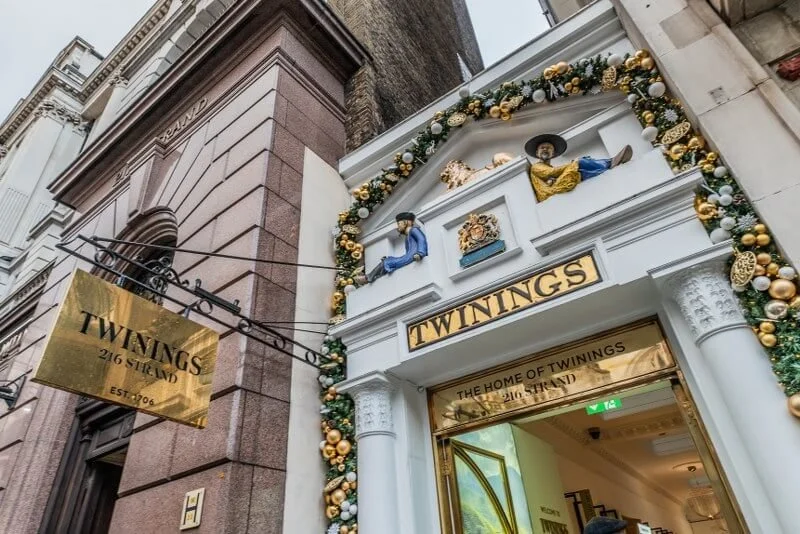
And above the logo, a royal warrant—a mark of royal patronage to the business that has been here since 1706!
Royal warrants are prestigious marks of recognition from the most senior members of the royal family for particular providers of goods and services to the royal household.
18. Dr Samuel Johnson’s house and sculpture of his cat!
Anyone remotely interested in London has likely heard the sentence:
When a man is tired of London, he is tired of life.
It originated from the pen of the writer Samuel Johnson, who once lived in the 300-year-old townhouse near Fleet Street.
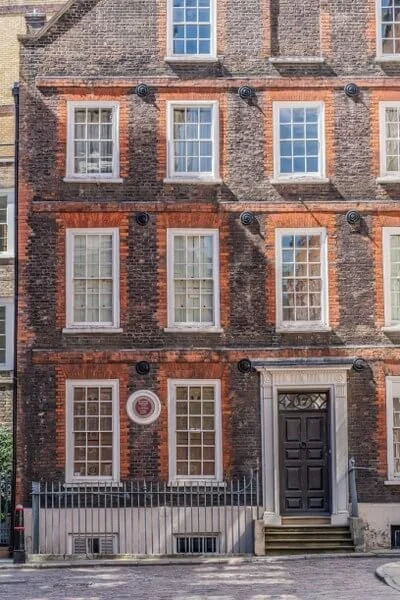
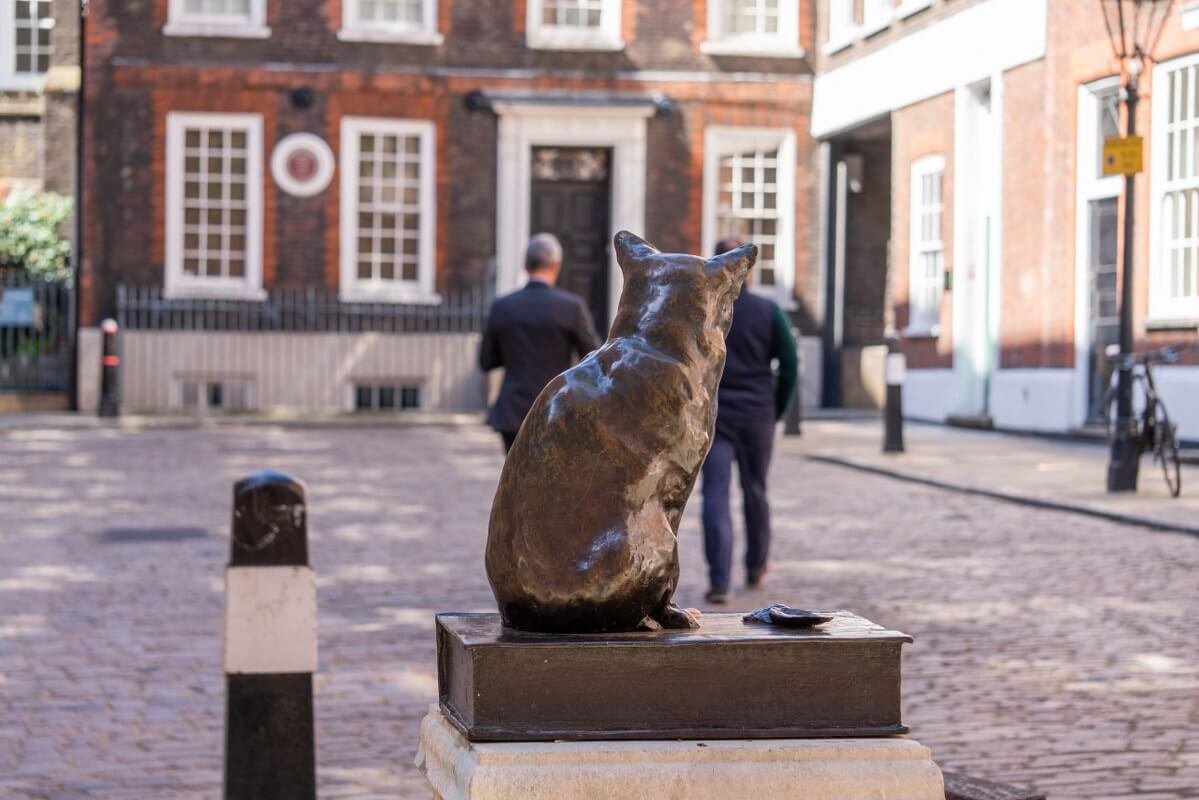
Now, you have the chance to see his residence, along with the sculpture of his cat that sits on a small plinth, gazing towards his owner’s house.
19. Pub Ye Olde Cheshire Cheese and parrot Polly!
The final stop of this walking tour is a super-charming, close-to-400-year-old pub Ye Olde Cheshire Cheese located on the street called Wine Office Ct.
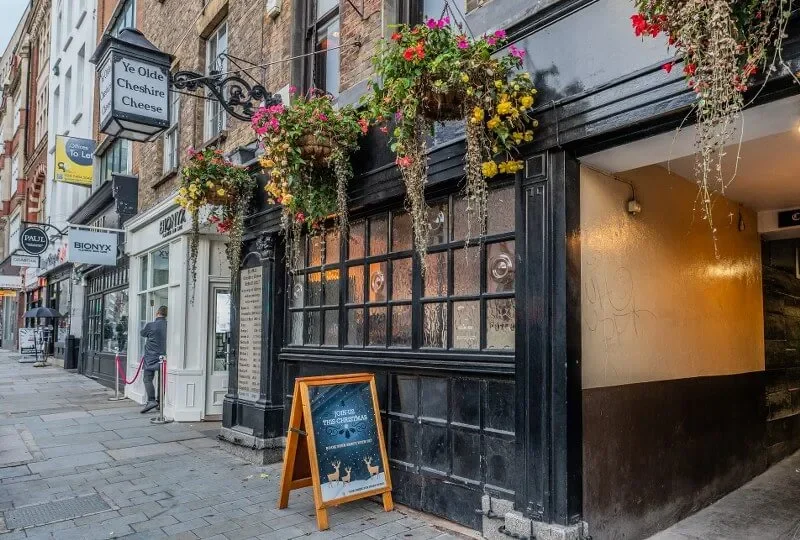
It is famous for its cozy atmosphere and… parrot Polly.
Polly died in 1926 and was later stuffed and placed on display in one of the rooms inside (you can read more about her story in this post).
If I can offer you one piece of advice about visiting this pub, it’s to take a proper walk around all the rooms and all levels of this venue to fully appreciate its character!
Well, these are all the spots I intend to showcase in this walking tour of City of London.
I hope you enjoy this post.
Visiting London, Oxford or Cambridge?
See my free self-guided walks — used over 1 million times by people from around the world.

London Private Tour Guide - Anna Kmiecik
Discover Oxford, London, or Cambridge with me on a private, tailor-made tour.
contact@walkmeblog.com
+44 7742098448
Browse my ready-made walks here |Client Testimonials